National Farmers Day, also known as Kisan Diwas, is celebrated in India on December 23rd each year to honor the invaluable contributions of farmers to the country’s economy, culture, and sustenance. The day is dedicated to raising awareness about the vital role that farmers play in feeding the nation, supporting livelihoods, and maintaining India’s agrarian legacy. National Farmers Day serves as a reminder of the hard work, resilience, and dedication of farmers, whose tireless efforts bring food to the tables of millions.
In this article, we’ll explore the significance of National Farmers Day, why it’s celebrated, religious sentiments connected with farming in Hinduism, Buddhism, Christianity, and other relevant perspectives, as well as some important facts and highlights about this day.
The celebration of National Farmers Day on December 23rd coincides with the birth anniversary of Chaudhary Charan Singh, the fifth Prime Minister of India, who was a passionate advocate for the rights of farmers and the agrarian community. Charan Singh is remembered for his policies and reforms aimed at empowering farmers, providing them with greater security, and improving agricultural productivity. National Farmers Day commemorates his vision and continues his legacy by addressing issues faced by farmers in India and promoting agricultural welfare.
India is known for its agrarian roots, with approximately 50% of the population engaged in agriculture. Farmers are the backbone of the Indian economy, contributing significantly to food security, employment, and rural development. National Farmers Day not only recognizes these contributions but also serves as a day to discuss and promote policies that will benefit and empower farmers in the long term.
National Farmers Day is celebrated for several key reasons:
To Honor the Hard Work of Farmers: Farmers work tirelessly to ensure that the nation has a stable supply of food. Their work is often labor-intensive, dependent on uncertain weather conditions, and susceptible to market fluctuations. National Farmers Day is a tribute to their dedication and sacrifice.
Raising Awareness About Farmers’ Challenges: The day also serves to highlight the issues and challenges faced by farmers, such as access to water, fair market prices, credit facilities, and modern agricultural practices. It calls on the government and citizens to address these challenges through supportive policies and awareness.
Promoting Sustainable Agricultural Practices: Agriculture is integral to environmental sustainability. National Farmers Day emphasizes the importance of sustainable farming techniques that protect the land, conserve water, and reduce the use of harmful chemicals, ensuring that agriculture can continue to thrive for generations to come.
Recognizing the Economic Impact of Agriculture: Agriculture remains a significant sector of India’s economy, with its influence extending beyond food production to textile, commerce, and exports. The day brings attention to how supporting farmers can positively impact India’s economic growth.
Strengthening Farmer Welfare Initiatives: National Farmers Day is an opportunity to promote welfare schemes and policies that provide better support to the farming community, such as crop insurance, subsidized seeds, and accessible farming equipment.
Agriculture has deep spiritual roots in many of the world’s oldest religions, particularly in Hinduism, Buddhism, and Christianity. Each of these traditions emphasizes respect for the land, gratitude for the harvest, and the interconnectedness of humans with nature. Farming is seen as a sacred act, one that sustains life and embodies the cycles of nature.
In Hinduism, agriculture is closely tied to concepts of dharma (duty) and karma (action). The earth itself is considered a divine entity, often personified as Bhoomi Devi (Mother Earth), who provides sustenance to all living beings. Hindu festivals like Makar Sankranti, Pongal, and Onam celebrate the harvest season, symbolizing gratitude to the earth and deities such as Surya (the Sun God) and Indra (the Rain God) who nourish the crops.
Hindu scriptures emphasize the importance of caring for the land and avoiding exploitation of nature. Agriculture is seen as an act of service to society and the environment, aligning with the concept of ahimsa (non-violence) as it promotes harmony with the earth. Many Hindu rituals are performed at the time of sowing and harvest to seek blessings for a bountiful crop, illustrating the deep connection between spirituality and farming in Hindu culture.
In Buddhism, farming is respected as it represents the balance of life and sustenance for society. The Buddha himself came from an agrarian background, and Buddhism teaches respect for nature, compassion for all beings, and the importance of harmonious coexistence with the environment. Agriculture, from a Buddhist perspective, is seen as a way to support not only oneself but also the community.
Buddhism emphasizes the concept of interdependence, or pratītyasamutpāda, which suggests that all beings and elements of nature are interconnected. Farmers are seen as fulfilling a noble duty by contributing to the well-being of society, as their work sustains life and upholds the balance between humans and nature.
In Christianity, farming is viewed as a divine responsibility. The Bible includes numerous references to agriculture, such as the Parable of the Sower and stories of harvest and labor, which reflect the importance of farming and stewardship. Genesis mentions that humans are to “cultivate and care for” the earth, which aligns with the idea of responsible stewardship. Christianity values the dignity of labor and sees farming as a way to live in harmony with God’s creation.
The act of farming symbolizes faith, patience, and gratitude—qualities that are highly respected in Christianity. Many Christian communities celebrate harvest festivals, giving thanks for the abundance of the earth and recognizing the effort put forth by farmers.
Farming holds a sacred place in many indigenous cultures and ancient traditions across the world. Most of these traditions view the land as a shared resource and emphasize sustainability and mutual respect between humans and the earth. These perspectives highlight the universal respect for farming and the shared belief that farmers play an essential role in maintaining the balance of nature.
Date of Celebration: National Farmers Day is celebrated on December 23rd in India, marking the birth anniversary of Chaudhary Charan Singh, a prominent leader who championed the cause of farmers.
Chaudhary Charan Singh’s Legacy: Known as the “Champion of Farmers”, Charan Singh introduced various policies to improve the condition of farmers, focusing on debt relief, fair pricing, and agricultural education.
State Celebrations: In states like Punjab, Haryana, and Uttar Pradesh, Kisan Diwas is celebrated with great enthusiasm. Many villages organize gatherings, discussions, and events to honor farmers’ contributions and discuss issues relevant to the agrarian community.
Farmer Welfare Schemes: National Farmers Day often highlights government welfare schemes aimed at benefiting farmers, such as the Pradhan Mantri Kisan Samman Nidhi (PM-KISAN), which provides direct income support to farmers, and the Soil Health Card Scheme, which promotes soil health and sustainable farming.
Events and Discussions: Various organizations, educational institutions, and agricultural bodies organize seminars, workshops, and awareness campaigns on National Farmers Day. These events focus on important topics such as sustainable agriculture, climate change, water conservation, and agricultural technology.
Acknowledging Farmer Challenges: National Farmers Day is a time to address pressing issues like debt, water scarcity, climate vulnerability, and market fluctuations that affect farmers. The day emphasizes the need for policies that provide security and economic stability to the farming community.
National Farmers Day is more than just a day of celebration—it is a call to action for every citizen to appreciate, support, and uplift the farming community. As we commemorate this day, we recognize the hard work, resilience, and unwavering spirit of India’s farmers who labor day and night to feed the nation.
Beyond honoring their contributions, National Farmers Day serves as a reminder of the ongoing need to address issues related to agricultural sustainability, accessibility, and equality. With a focus on respect, advocacy, and support, we can work toward creating a future where farmers are empowered, valued, and equipped with the resources they need to continue nourishing the world.
As we observe Kisan Diwas each year, let us pledge to uphold the legacy of those who work the land, ensuring that their efforts are appreciated, their rights protected, and their contributions celebrated for generations to come.
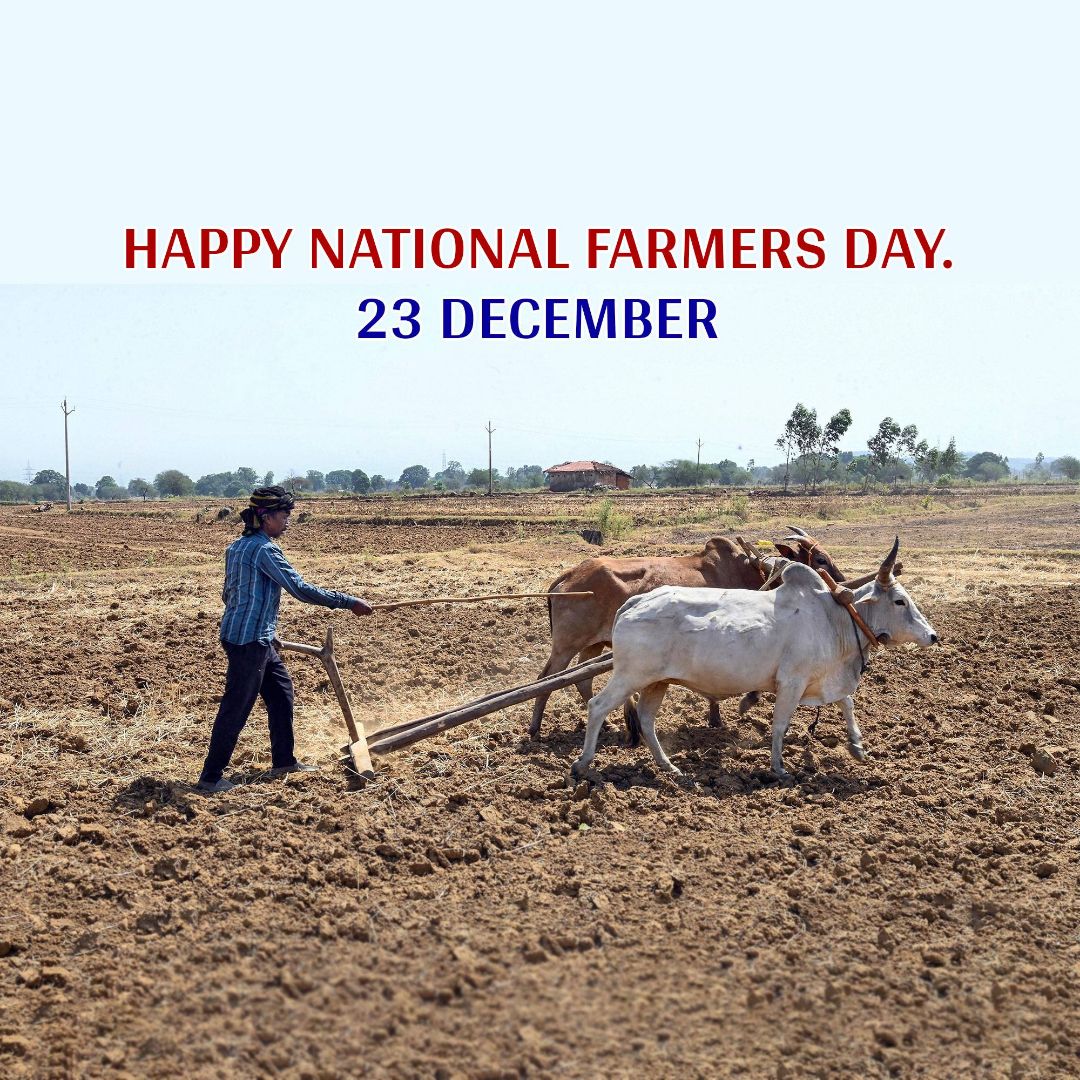
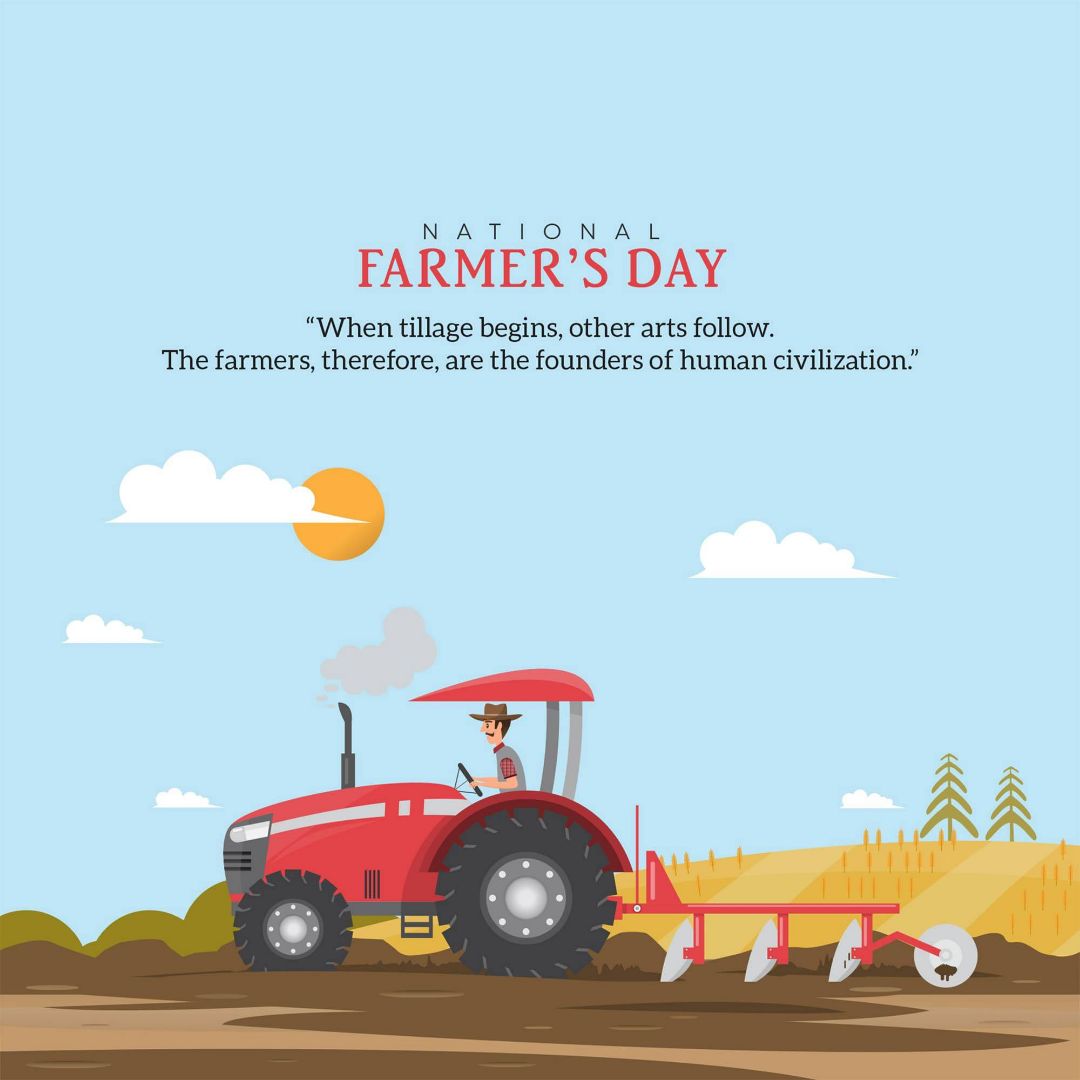




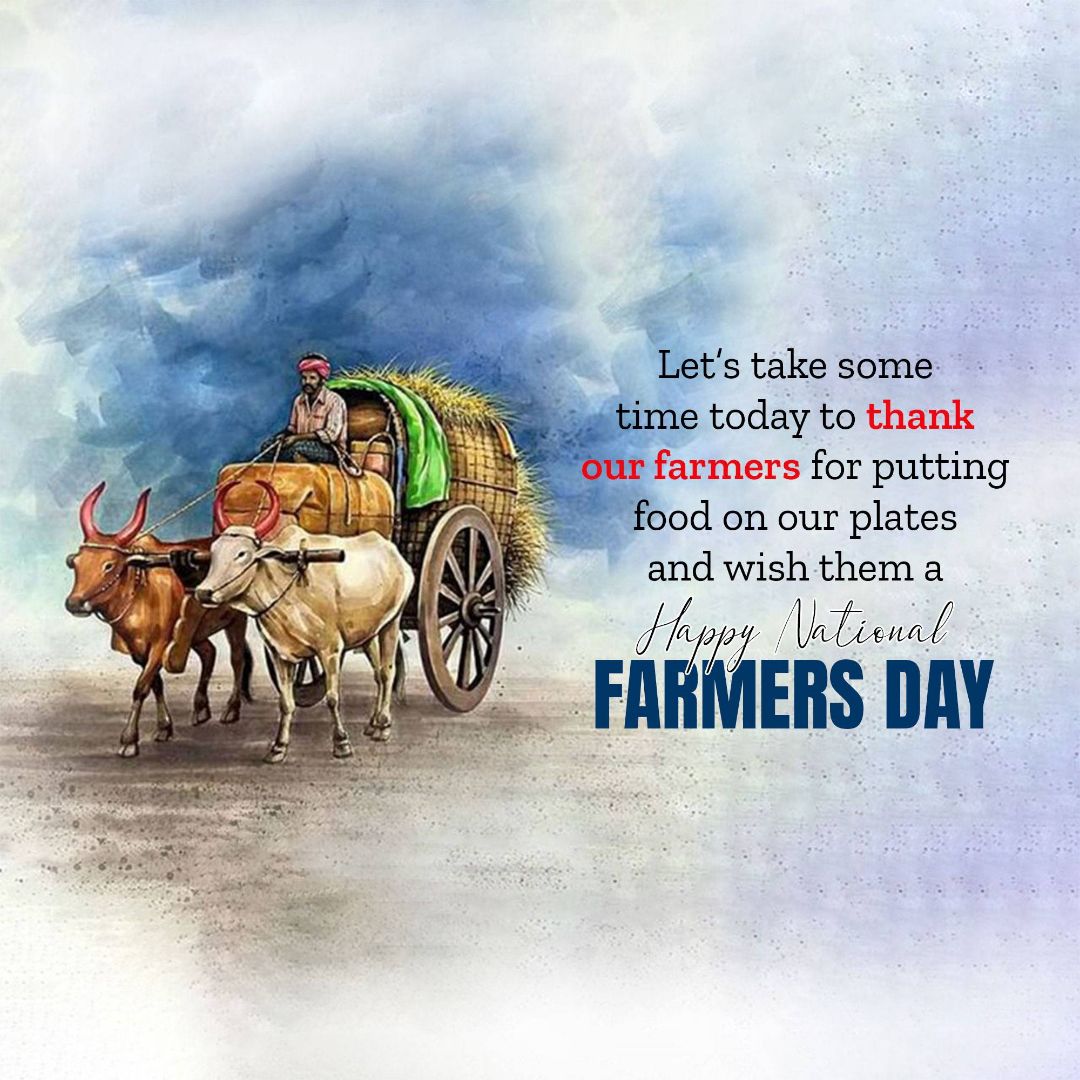



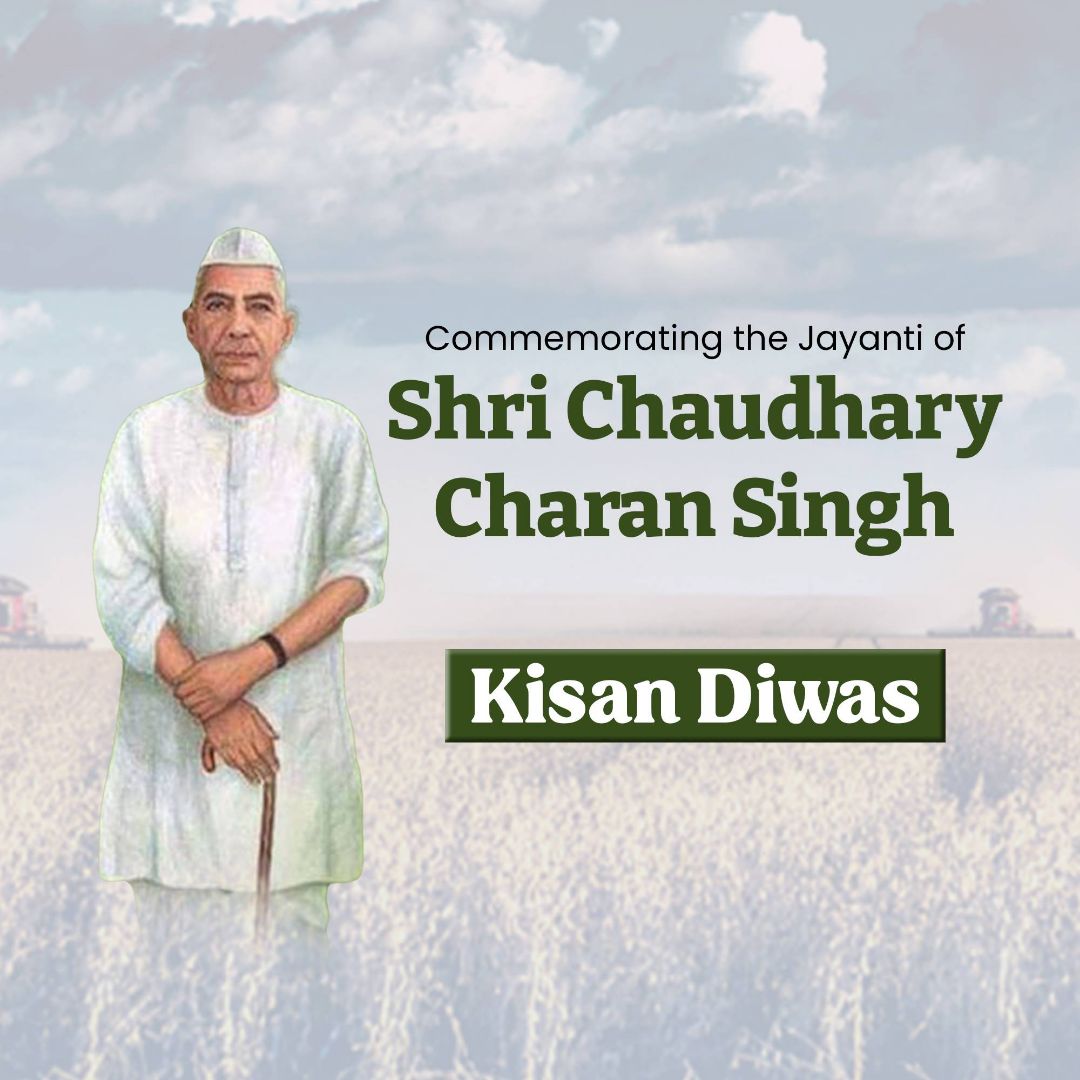

Crafty offers a wide range of National Farmers Day festival post templates, including customizable image and video options. Businesses can easily add their logo and personalize content to create engaging posts for various festivals.
Yes, Crafty provides a variety of customizable image and video templates specifically designed for National Farmers Day festivals. Businesses can personalize these templates with their branding elements to create unique and eye-catching content.
Crafty offers National Farmers Day festival-themed stickers that businesses can use to enhance their social media posts and promotional materials during festive seasons. These stickers add a fun and festive touch to your content.
Yes, Crafty provides frames tailored for National Farmers Day festival-related posts, allowing businesses to frame their images and videos with decorative elements that capture the spirit of the occasion. These frames can be customized with logos and text.
Absolutely! Crafty allows businesses to add their logo and branding elements to National Farmers Day festival posts, ensuring that their identity is prominently featured in all promotional content. This customization helps businesses maintain brand consistency across various platforms.
Begin crafting with Crafty to showcase your branding and images with style.

Transform text into images seamlessly. A versatile image editor for all your needs. Redefine creativity with AI magic.
Basic image editing simplified. Enhance, crop, and adjust effortlessly. Your all-in-one solution for polished visuals.
Shorten links and boost productivity. Business tools, including a concise link service, to streamline your professional tasks.
Express with WhatsApp stickers. Share a laugh or a shrug with our diverse sticker collection. Enhance your messaging experience.
Start creating with Crafty to showoff your creativity.
Save time and edit like a pro! Yes! you will be able to edit your application on the easy way.

Speedy App provides instant information on whit thousands of hire and buy products.

Save time and edit like a pro! Yes! you will be able to edit your application on the easy way.

Easy to use but verry effective for creating social media promotion posts and WhatsApp stickers.

From Play Store
This app that can improve your creativity to next level it's really easy and effective.love this app ✌️

From Play Store
Very useful app for creating social media post and for designers. Recommandation is worth.

From Play Store
Boost your branding with Crafty to showcase your creativity to thousands of people.


© PlanckStudio All rights reserved. Crafted by